Hybrid game system
UJESCA
A hybrid game system that connects tactile components, rules, scorekeeping, sound, and recorded evidence into a reviewable play experience.
Project file UJESCA
Hybrid game · tactile components · scoring · documentation · media layer
Hybrid game system
A hybrid game system that connects tactile components, rules, scorekeeping, sound, and recorded evidence into a reviewable play experience.
My Role + Duration
Defined the game objective, turn structure, player actions, and scoring logic so the hybrid system could be played and reviewed.
Translated the game concept into setup instructions, gameplay steps, and scorekeeping language for first-time players.
Organized photographs, PDFs, and supporting media so the physical game could be understood after the play session.
Completed as a 2024 project with additional revision notes for future playtesting.
Project Overview
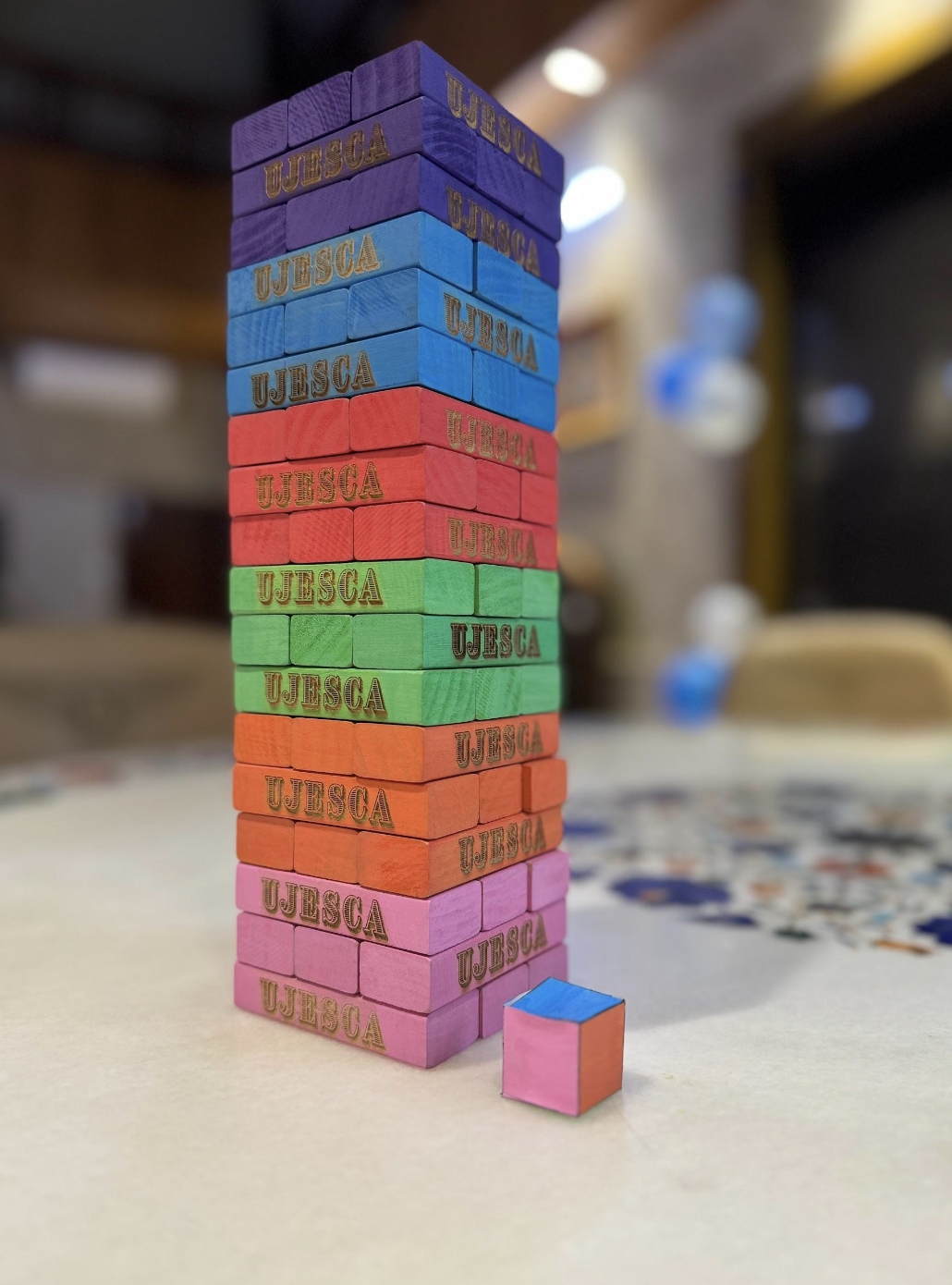
UJESCA was developed as a course project focused on hybrid play. The work combines physical materials, written rules, score documentation, and media evidence so reviewers can understand both the play activity and the supporting system.
The product is a playable game package. It must communicate setup, player actions, score movement, and feedback clearly enough for first-time players to begin without repeated explanation.
Problem + Goals
Players often struggle with new hybrid games when rules, objects, turns, scoring, and media cues are separated across different materials.
Make the game objective clear during setup.
Make scoring and turn progression easy to track.
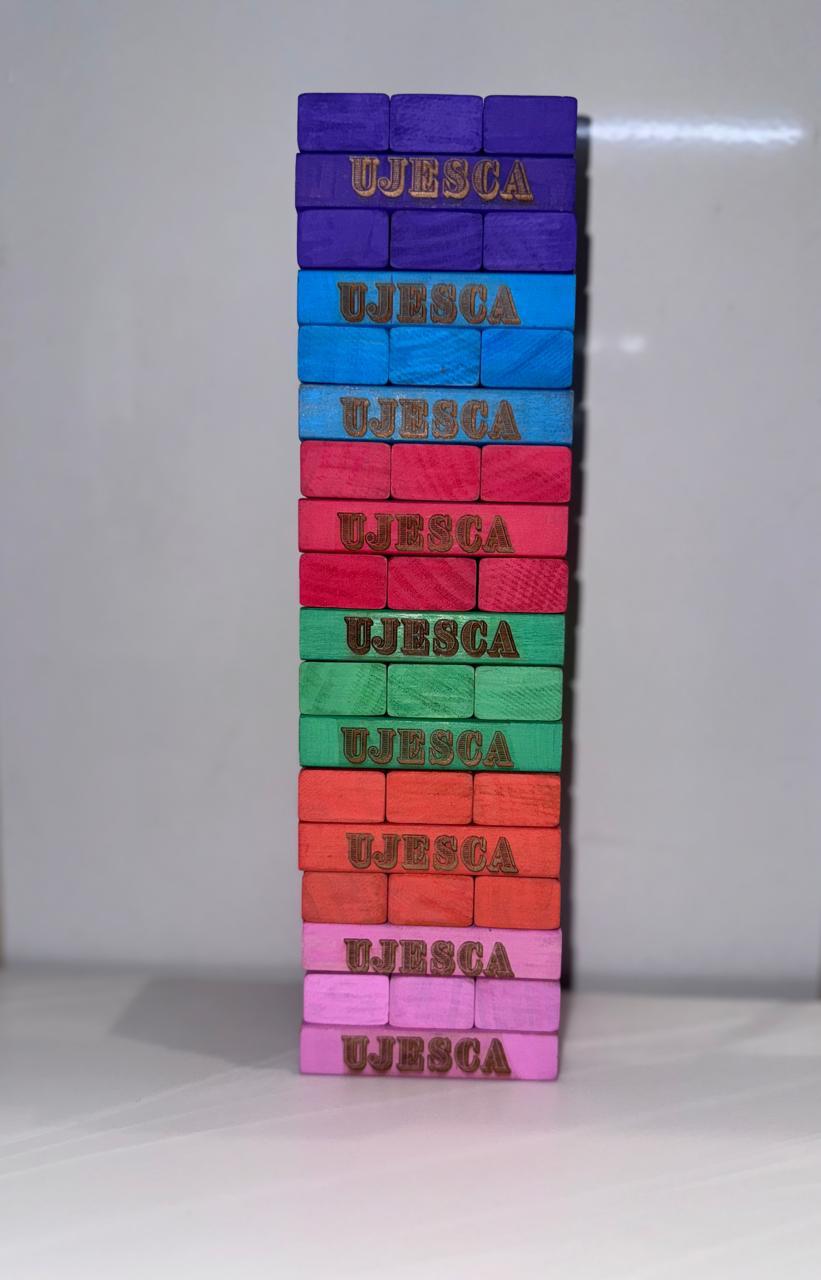
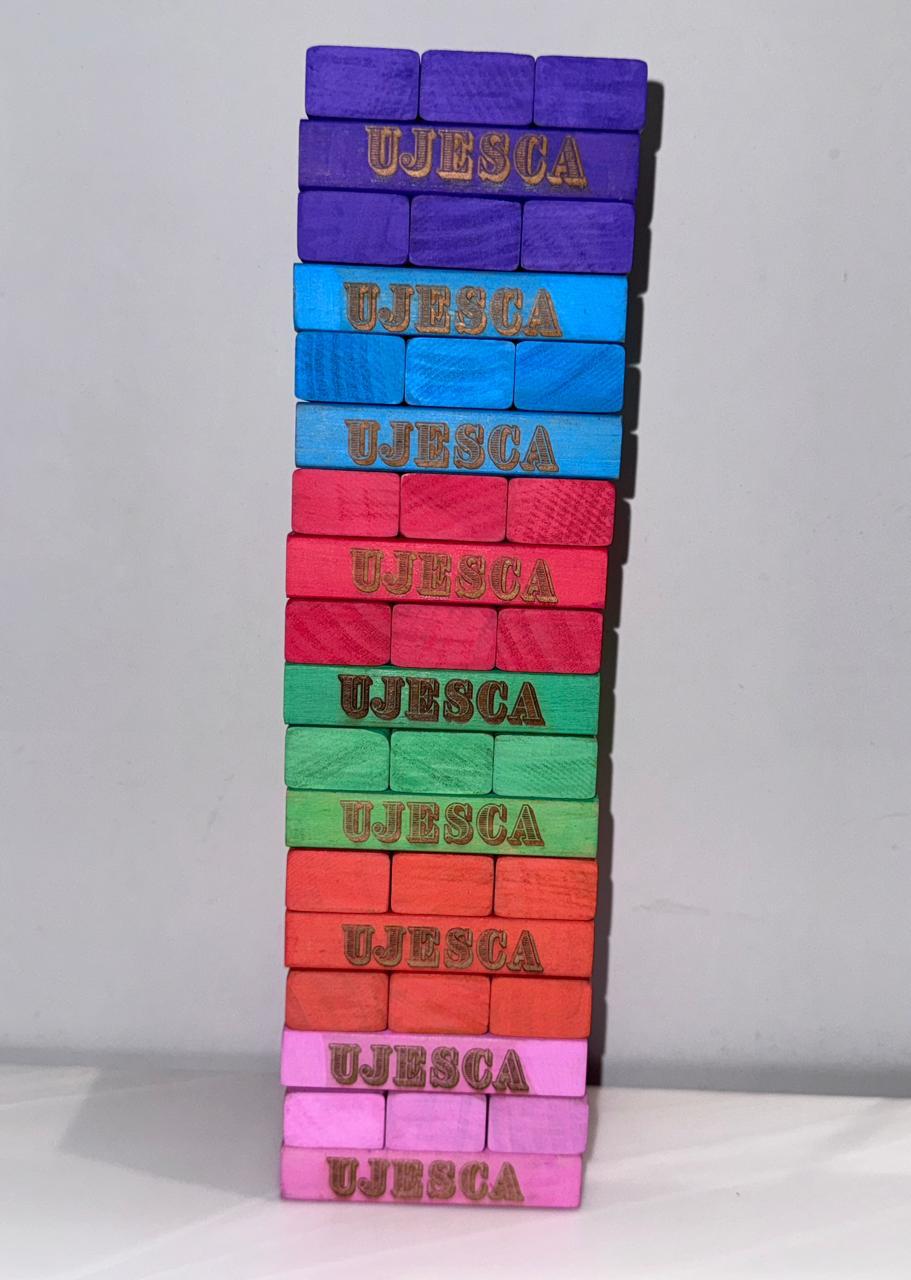
Use visual and media evidence to make the physical system understandable after the play session.
Research Plan
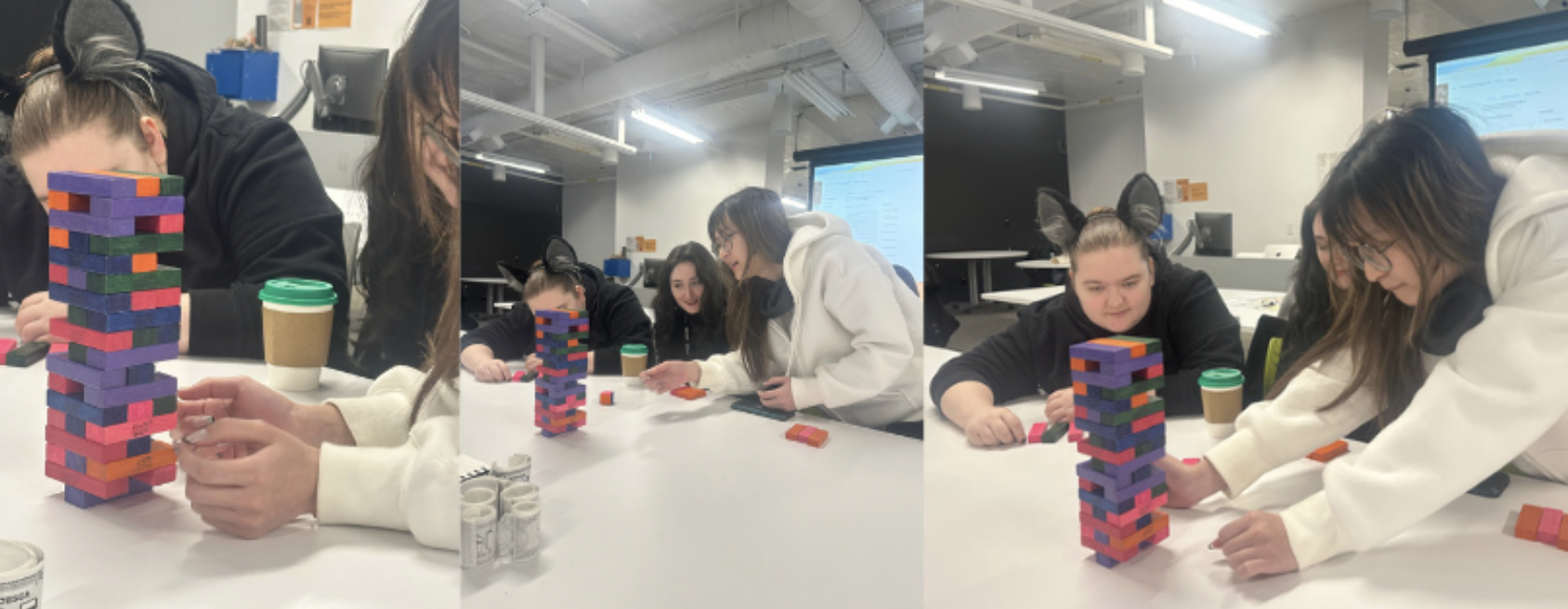
Small-group feedback was directional rather than statistically representative. The clearest success marker was whether players could explain the objective, turn order, and scoring logic without repeated clarification.
Qualitative notes emphasized orientation, confidence, and the need for visible relationships between components, rules, and score feedback.
Findings
"I need to know what piece I should look at first."
"The score makes more sense when I can see the board and the rule sheet together."
"The photos help me understand the game even when I am not playing it."
The strongest direction was to treat onboarding as part of the game system, because player confidence depends on knowing how rules, materials, and score feedback connect.
Personas + Empathy Map
Persona 01
Needs a quick explanation of objective, turn order, and scoring before committing to play.
Persona 02
Needs enough visual and written evidence to evaluate the system without being present for the original session.
What do I touch first?
I want the rule system to feel organized, not hidden.
Looks between components, instructions, and score materials.
Curious, cautious, and more confident when feedback is visible.
Insights & Opportunities
Hybrid games need onboarding that connects materials to rules before play begins.
Players feel more in control when they can track progress without asking for confirmation.
Photos, PDFs, audio, and video allow the game to be evaluated after the physical play moment ends.
Proposed Solutions
Introduce objective, components, turn order, and scoring in that sequence.
Use clearer labels or visual grouping so players can connect objects to actions.
Keep score feedback visible and close to the active play area.
Use photos, PDFs, and media clips as a complete review set.
Read setup -> Identify materials -> Take turn -> Record score -> Review outcome
Reflection + Lessons Learned
UJESCA taught me that hybrid games require explicit orientation because the user must move between instructions, objects, scorekeeping, and social play.
The strongest lesson was that documentation is part of the design. If the rules and artifacts cannot be reviewed after the session, the system becomes harder to evaluate and improve.
In a future iteration, I would test the setup with more first-time players and revise the onboarding material based on where they hesitate.